
Blog
Vastu Tips for Placing Showpieces at Home — Room by Room Guide

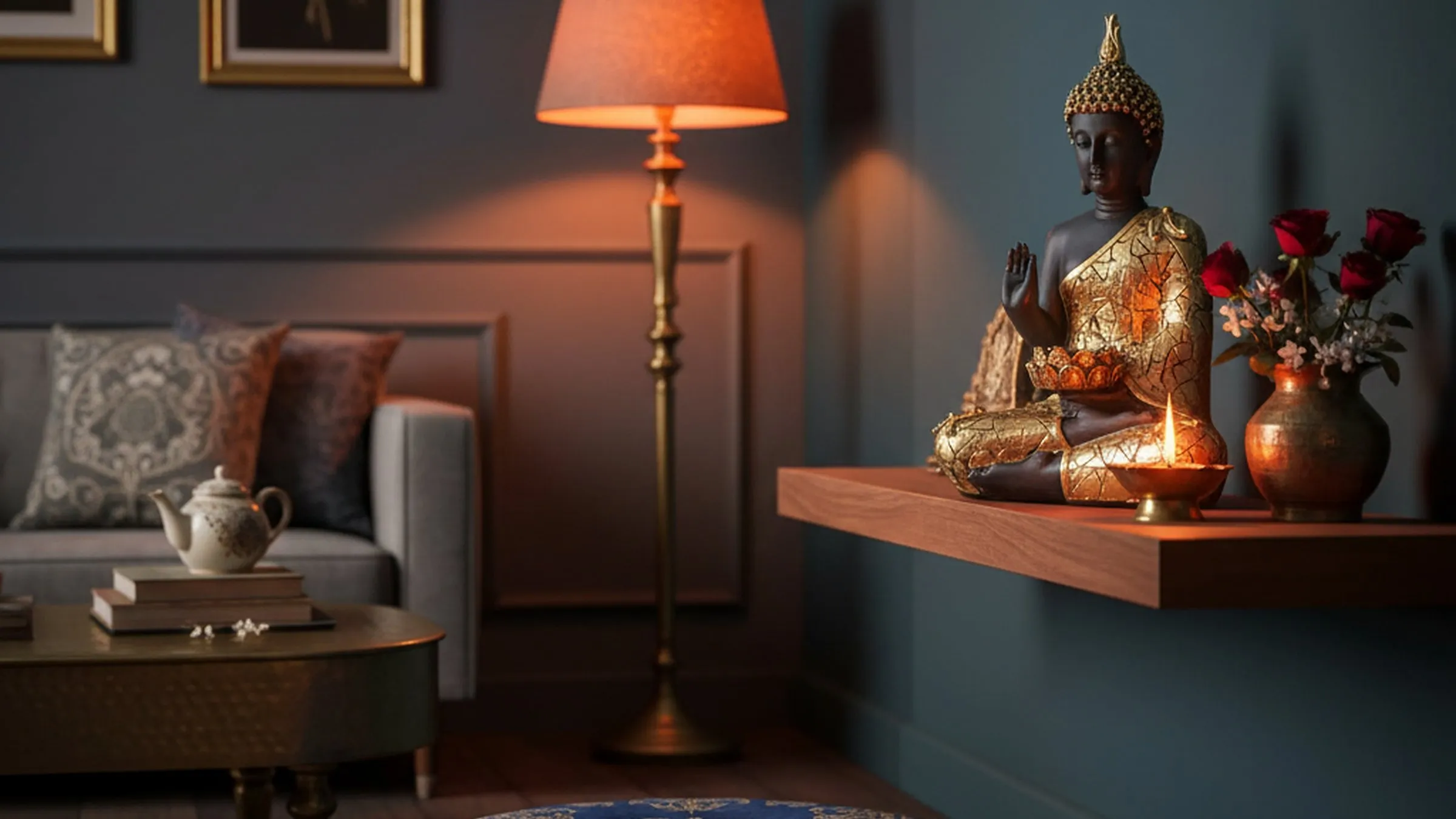
In Indian homes, where you place a showpiece matters just as much as what you place. Vastu Shastra — the ancient Indian science of architecture and spatial arrangement — offers clear guidelines on how decorative items influence the energy flow in your living space. Whether you are a firm believer or simply curious, following these Vastu tips can help you position your showpieces for both visual harmony and positive vibes.
General Vastu Principles for Home Decor
Before diving into specific showpiece types, here are the foundational Vastu rules that apply to all decorative items in your home:
- Avoid clutter. Too many showpieces in one spot block energy flow. Curate thoughtfully — quality over quantity.
- Broken or chipped items must go. Damaged showpieces are considered inauspicious in Vastu. Replace them promptly.
- Keep showpieces clean. Dusty, neglected decor attracts negative energy. Regular dusting is both good maintenance and good Vastu.
- Pair items when possible. Pairs (two elephants, two swans, two vases) symbolise balance and harmony.
Buddha Showpieces — East or Northeast
A meditating Buddha is one of the most powerful Vastu-compliant showpieces you can place in your home. According to Vastu Shastra:
- Place the Buddha facing east in the living room or entrance hall. East is the direction of the rising sun, symbolising new beginnings and enlightenment.
- A laughing Buddha is best placed facing the main door — it is believed to welcome prosperity and positive energy into the home.
- The northeast corner (Ishan) is considered the most sacred zone. A meditating Buddha here enhances peace and spiritual energy.
- Never place a Buddha on the floor or in bathrooms and kitchens. Elevated surfaces — shelves, console tables, or dedicated niches — are ideal.
Elephant Figurines — North or Entrance
Elephants are deeply auspicious in both Vastu and Indian culture. Their trunk direction matters:
- Trunk raised upward: Symbolises good luck, celebration, and prosperity. Place near the main entrance or in the living room.
- Trunk lowered: Represents stability and grounding energy. Best for study rooms or bedrooms.
- A pair of elephants flanking the main door (facing inward) is considered highly protective and welcoming.
- Place elephants in the north or east direction for career growth and positive energy.
Horse Showpieces — South Wall
Horses represent speed, success, and vitality. In Vastu, a galloping horse showpiece is one of the best symbols for career advancement and business growth.
- Place a running horse figurine on the south wall of your living room or office. South governs fame and recognition.
- The horse should be depicted galloping forward, not rearing or standing still — movement symbolises progress.
- Avoid placing horse showpieces in the bedroom — their high energy can disturb restful sleep.
- A set of seven galloping horses (Ashwa) is a classic Vastu remedy for success.
Owl Figurines — Near the Entrance
In Indian tradition, the owl is the vahana (vehicle) of Goddess Lakshmi and is associated with wealth and wisdom.
- Place owl showpieces near the main entrance or in the living room to attract financial prosperity.
- The northwest direction is ideal for owl figurines — it governs networking, helpful people, and opportunity.
- Choose owls with open eyes and alert postures — they symbolise watchfulness and sharp perception.
Decorative Vases — Southeast or Living Room Corners
Vases influence energy differently depending on what they contain and where they are placed:
- Empty vases are acceptable as sculptural decor but should not be placed in the bedroom — they symbolise emptiness and loneliness in that context.
- Vases with fresh or artificial flowers are best in the southeast (wealth corner) or on the dining table to attract abundance.
- Avoid dried, dead flowers — in Vastu, they represent stagnant, decaying energy. If you use dried flowers like pampas grass, ensure they look clean and intentional, not withered.
- Rounded vases are preferred over angular or sharp-edged ones — soft shapes promote harmonious energy flow.
Couple Figurines and Swan Pairs — Southwest
The southwest corner of your home governs relationships, love, and bonding according to Vastu.
- Place couple figurines or swan pairs in the southwest corner of the master bedroom or living room.
- Always use pairs — a single figurine in the relationship corner can symbolise loneliness.
- Choose pieces in soft, warm tones — pink, cream, gold, or white — for the relationship zone.
Abstract and Modern Sculptures — West or Study
Abstract art and modern sculptures are trickier from a Vastu perspective since they do not carry specific symbolic meaning. General guidelines:
- Place abstract pieces in the west direction — it governs creativity and children.
- Avoid aggressive or chaotic-looking abstracts — sharp, violent, or disturbing forms create restless energy.
- Smooth, flowing forms in metallic or neutral finishes are Vastu-friendly and work well in modern interiors.
Quick Direction Reference Chart
- North: Career, opportunities — elephants, fish figurines
- Northeast: Spirituality, clarity — Buddha, meditation-themed pieces
- East: Health, family — nature-inspired showpieces, green or wooden accents
- Southeast: Wealth, prosperity — vases with flowers, golden-toned pieces
- South: Fame, recognition — horse showpieces, red or orange accents
- Southwest: Relationships, stability — couple figurines, pairs
- West: Creativity, children — abstract art, metallic accents
- Northwest: Networking, travel — owl figurines, moving-water features
Remember, Vastu is about creating balance and positive energy in your space. The best showpiece placement is one that feels right to you, looks beautiful in the room, and aligns with these time-tested principles. Trust your instinct, follow the basics, and let your home decor work for you — both aesthetically and energetically.
Shop Related Products
