

Blog
How to Style Showpieces on Shelves and Console Tables

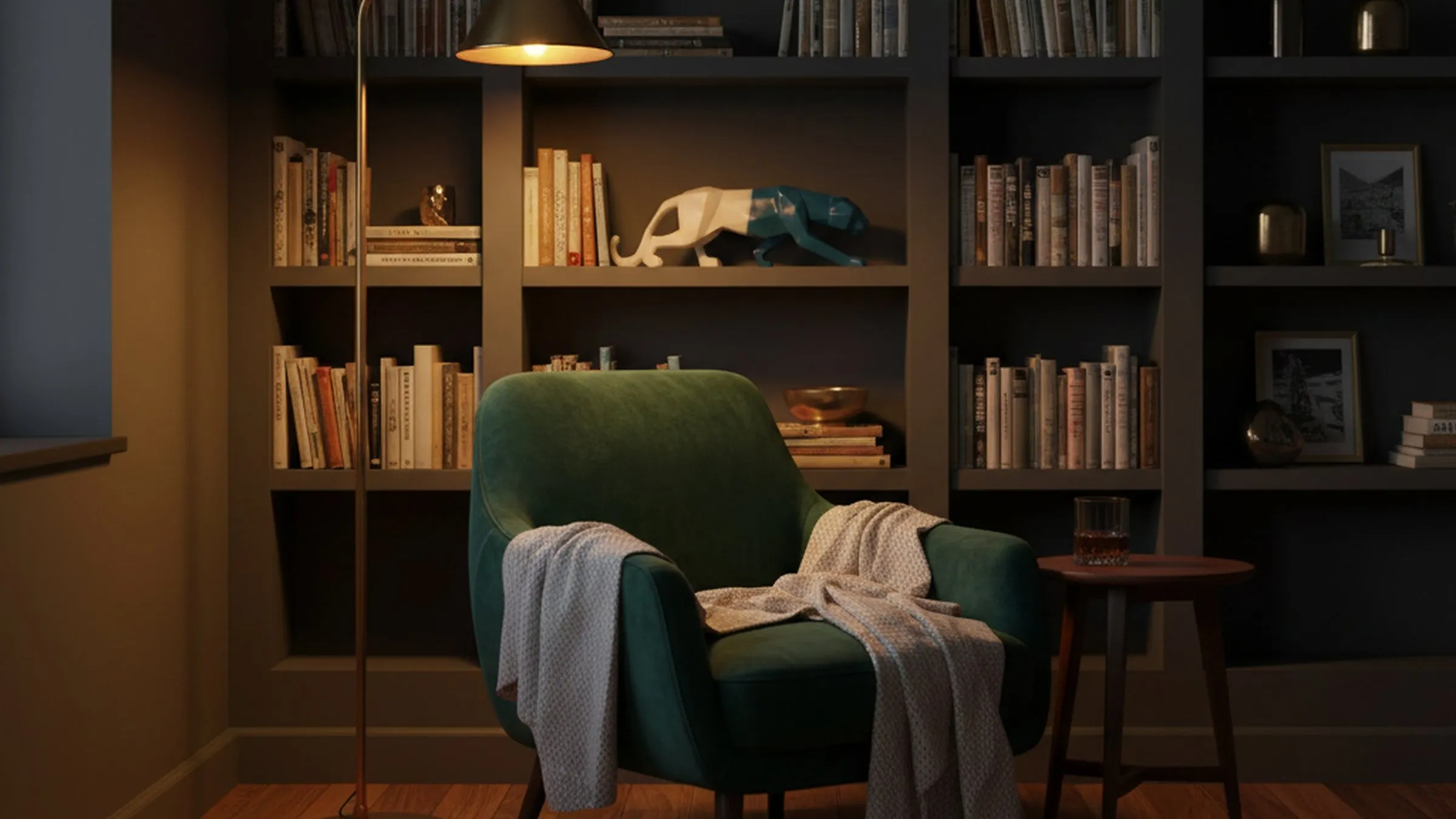
You have a beautiful shelf, a clean console table, or a freshly painted TV unit — but it still looks bare and unfinished. The missing ingredient is not more furniture. It is styling. The right arrangement of showpieces, plants, books, and small accents transforms functional surfaces into curated displays that make your home feel intentional and put-together.
This guide covers practical, easy-to-follow techniques for styling showpieces on shelves, console tables, TV units, and display cabinets — no interior design degree required.
The Rule of Three
This is the single most important styling principle. Our eyes are naturally drawn to odd-numbered groupings — and three is the magic number. Arrange objects in clusters of three with varying heights, shapes, and textures.
A classic trio: one tall showpiece (like a figurine or vase), one medium item (a candle or small plant), and one flat or short element (a decorative tray, book stack, or coaster). This creates a visual triangle that feels balanced and intentional.
Vary Heights and Create Layers
A row of same-height objects looks monotonous. The key to interesting shelf styling is height variation:
- Place your tallest piece at the back — a vase, a large figurine, or a framed photo leaning against the wall.
- Medium items in the middle — a showpiece, a small plant pot, or a candle holder.
- Shortest items at the front — a decorative sphere, a tiny figurine, or a small tray.
This layered approach creates depth and draws the eye across the entire arrangement rather than just one item.
Mix Textures and Materials
A shelf full of glossy ceramic pieces looks flat. A shelf with only matte polyresin feels one-note. The secret is mixing materials:
- Pair a matte figurine with a glossy vase — the contrast catches light differently and adds visual richness.
- Combine hard surfaces (metal, ceramic) with soft ones (a woven basket, a fabric-covered book).
- Add natural elements — a small potted succulent, a piece of driftwood, or dried pampas grass — alongside your showpieces.
Styling a Console Table
Console tables (in entryways, behind sofas, or under wall-mounted TVs) are the easiest surface to style because they are long and narrow with a clear wall backdrop.
Layout option 1: Symmetrical. Place a large centrepiece (a statement vase or figurine) in the middle, flanked by matching items on each side — two candle holders, two small plants, or two identical showpieces. This works best for formal, traditional interiors.
Layout option 2: Asymmetrical. Place a tall item at one end (a vase with dried flowers), a medium showpiece slightly off-centre, and a cluster of small items at the other end. This feels modern, relaxed, and editorial.
Always leave some empty space — a crowded console table looks cluttered, not styled.
Styling a Bookshelf
Bookshelves offer multiple compartments, which makes them both easier and harder to style. The key is treating each shelf as its own mini-composition while maintaining overall visual flow.
- Do not fill every shelf completely. Leave at least one-third of each shelf empty for breathing room.
- Alternate book stacks and showpieces. On one shelf, place a horizontal book stack with a small figurine on top. On the next, lean a frame against the wall with a vase beside it.
- Use book stacks as pedestals. A showpiece placed on a stack of two or three books gains height and importance — plus it adds colour through the book spines.
- Distribute visual weight evenly. Do not put all your large, heavy showpieces on one shelf. Spread them across different levels so the bookshelf feels balanced.
Styling a TV Unit
The TV dominates the wall it is on, so styling around it requires restraint. You want accents that complement the TV area without competing for attention.
- On the TV unit surface: Keep it simple. A single showpiece or a small group of three items on one side of the TV. A small plant in a clean pot on the other side. Do not clutter the area directly below the TV.
- Open shelving below the TV: Use the same bookshelf principles — alternating book stacks, small figurines, and a decorative box or basket for remote controls and cables.
- Flanking the TV: If your TV is wall-mounted with open wall space on either side, consider floating shelves with a single showpiece on each. This frames the TV and makes the wall feel finished.
Styling a Display Cabinet or Glass Shelf
Display cabinets are designed to showcase your best pieces, so quality matters more than quantity here.
- Curate ruthlessly. Only display your best showpieces — the ones you love most. A display cabinet with five beautiful pieces looks far better than one crammed with twenty average ones.
- Use lighting. If your cabinet has built-in lights, position your showpieces where the light hits them. If not, add a small LED strip inside — it transforms ordinary figurines into gallery-worthy displays.
- Group by theme or colour. All your animal figurines on one shelf, all your vases on another. Or group by colour — all gold-toned pieces together, all monochrome pieces together.
Colour Coordination Tips
Your showpieces should work with your room colours, not against them:
- Monochromatic: All showpieces in the same colour family (different shades of black, grey, and white) for a sleek, modern look.
- Complementary: Pair warm-toned pieces (gold, copper, terracotta) with cool backgrounds (grey walls, blue shelves) for contrast.
- Accent colour: If your room is mostly neutral, use showpieces to introduce one pop colour — all teal accents, all emerald green, or all burnt orange.
Common Mistakes to Avoid
- Overcrowding: More is not better. Edit, remove, and leave empty space.
- Same-height syndrome: Every item at the same height creates a flat, boring line. Vary heights deliberately.
- Ignoring the wall behind: A dark showpiece against a dark wall disappears. A light piece against a light wall washes out. Use contrast.
- Pushing everything against the wall: Pull some items slightly forward to create depth. Not everything needs to touch the back wall.
- Forgetting maintenance: Dusty showpieces ruin even the best arrangement. Dust weekly and restyle seasonally.
Great styling is not about buying more things — it is about arranging what you have with intention. Start with one surface, apply these principles, step back, and adjust. You will be surprised how a few well-placed showpieces can make your entire room feel like it belongs in a design magazine.
Shop Related Products
